Loading page
What it is
The scaffold under the surface
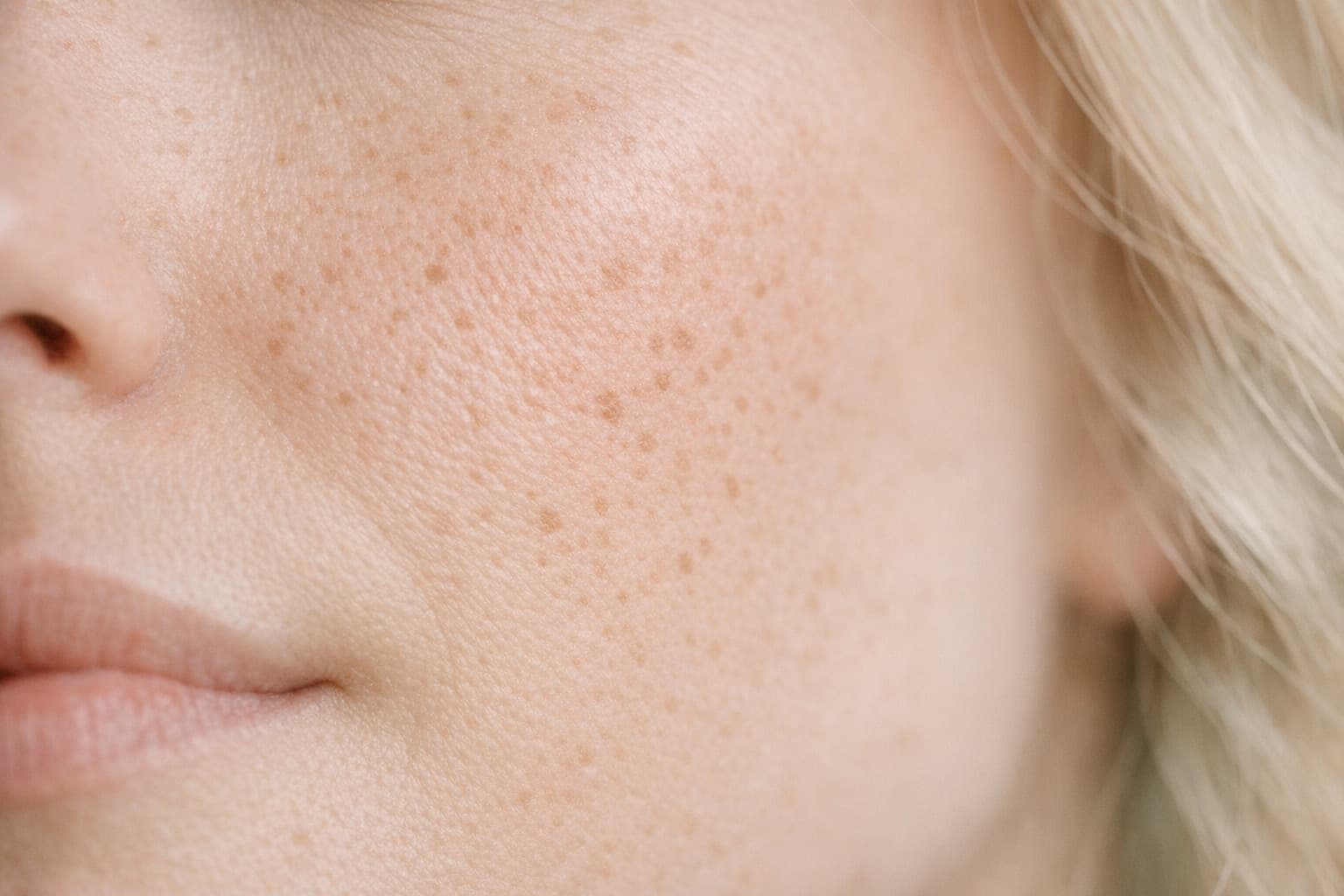
Smooth skin is mostly a matter of an even collagen scaffold underneath. When that scaffold is disrupted — by inflammatory acne, by years of ultraviolet exposure, or simply by time — the surface above it reads as rough, porous or pitted. Topical products can improve the top layer of that picture.
Changing the scaffold itself means reaching the dermis.
How it works
One principle, delivered three ways
Every treatment we use for texture works on the same principle: a controlled healing injury, deep enough to trigger collagen remodelling and shallow enough that the skin repairs cleanly. What differs is how that injury is delivered.
What we do
Which instrument suits which problem
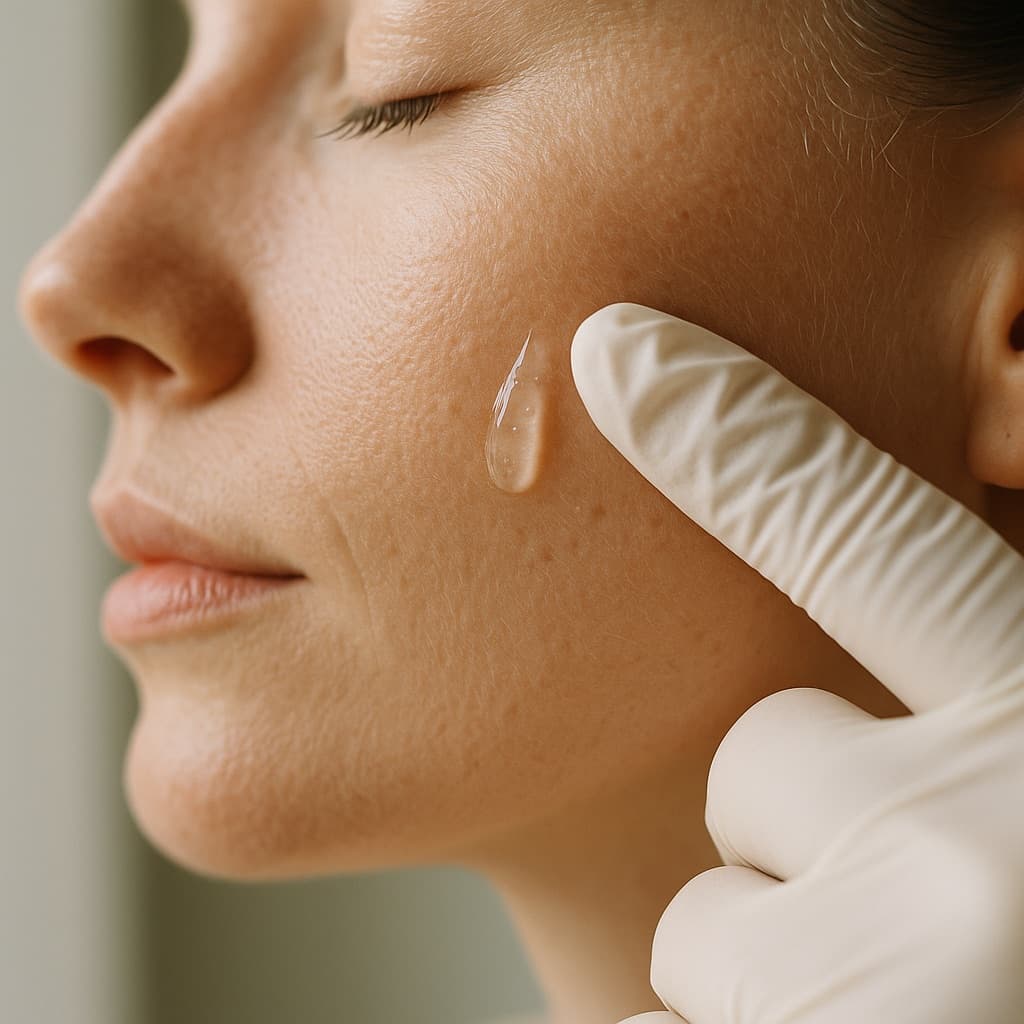
Microneedling creates thousands of microscopic channels with fine needles. It suits generalised roughness, enlarged pores and early acne scarring, and because nothing is heated and no pigment is targeted, it is dependable across all skin tones. Radiofrequency microneedling adds controlled heat at depth, which contracts existing collagen as well as stimulating new growth — our usual choice for deeper rolling and boxcar scars, and for texture accompanied by laxity. Fractional resurfacing treats a percentage of the surface at a time, leaving untreated skin between the columns to speed healing.
How we treat it
Treatments that address this
Each of these is performed here under physician supervision. Which one is right depends on the assessment, and more than one may be combined over a course.
What to expect
How a course usually runs
The shape of a course is the same whichever treatment your plan settles on. What changes is how many appointments sit inside it and how long the result takes to appear.
Consultation and photographs
About 45 minutesWe take a medical history, assess the concern in good light — at rest and in animation where that matters — and take standardised photographs. You leave with a written plan carrying prices and timelines. Nothing is treated on the day unless you ask, you are medically suitable, and you have had time to read the consent form.
The treatment
45 min–1 h 30 minThe appointment itself is usually the shortest part. Treatments for this concern run between 45 min and 1 h 30 min. Consent is confirmed again before anything begins, and you can stop at any point.
Who it is for
What we check before treating
Suitability is decided at the consultation, not at booking. These are the things that most often change a plan — or postpone it — and every one of them is asked about before anything is treated.
- Isotretinoin in the last six months
- Isotretinoin in the last six months requires a waiting period before any energy-based treatment. It is a delay, not a refusal.
- Keloid scarring or cold sores
- A history of keloid scarring or of cold sores changes both the plan and the aftercare, and antiviral cover may be arranged before a session.
- Medication and supplements
- Blood thinners, fish oil and high-dose vitamin E increase bruising. Some antibiotics and acne medications increase light sensitivity. Bring the full list, including anything over the counter.
- Pregnancy and breastfeeding
- Injectable treatment is not performed during pregnancy or while breastfeeding. Some facials and skin treatments are appropriate — tell us at booking and we will advise what is suitable.
- Skin and healing history
- Isotretinoin requires a waiting period before energy-based treatment, and a history of keloid scarring or cold sores changes both the plan and the aftercare.
In their words
From clients treated for this
Quotes are published with permission and shown with a first name and initial only.
Related
Other concerns people ask about
Fine Lines & Wrinkles
The first lines to appear are usually the ones you make on purpose. Softening them is a question of movement, not erasure.
Volume Loss & Facial Contour
Faces do not only sag; they deflate. Working out where volume has actually gone is what separates a refreshed result from an overfilled one.