Loading page
Why we photograph everything
Standardised clinical photography, where the images live, who can see them, and why publishing one requires a separate form you are free to decline.

Narges, Founder & Medical Director
5 min read
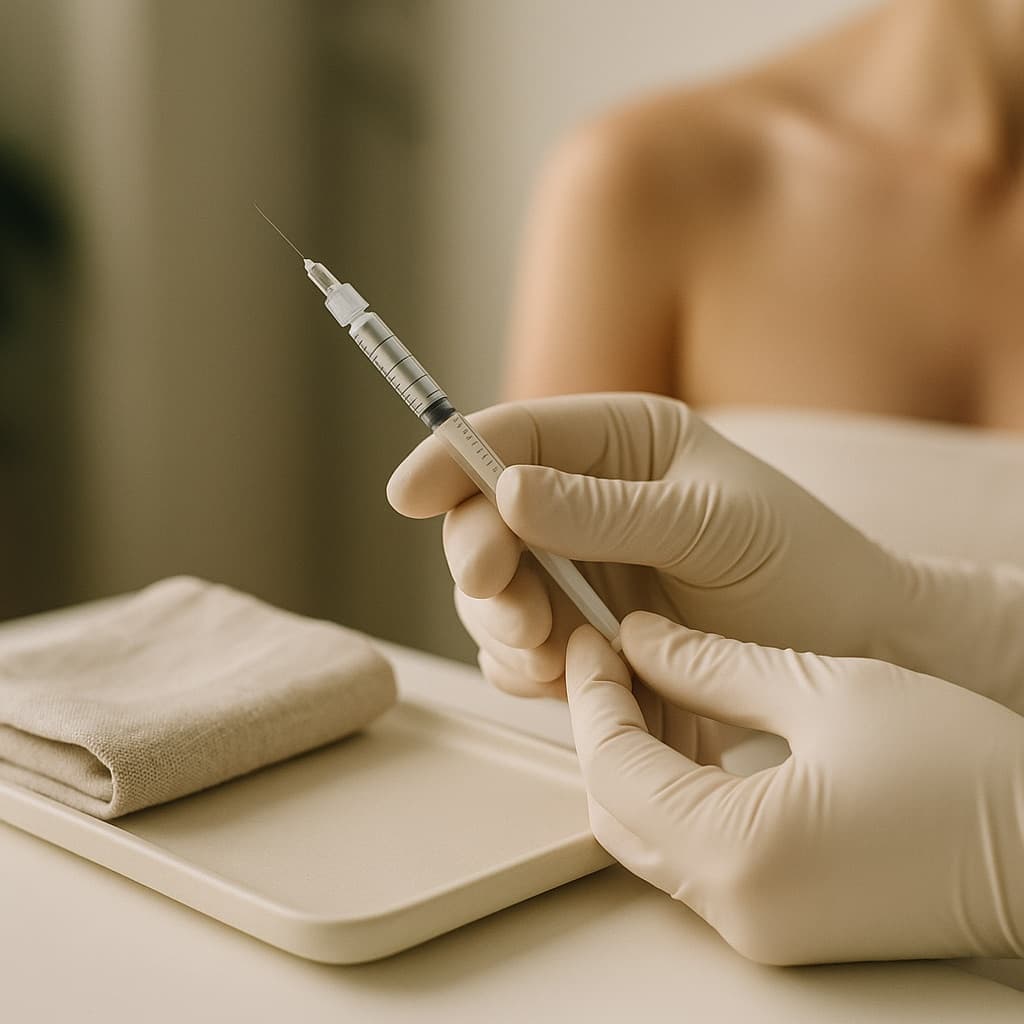
Every treatment we perform is photographed before it begins, and in most cases again at review. Some people find this uncomfortable at first. It is worth explaining why we do it anyway.
The simple reason is that memory is unreliable about faces, and it is unreliable in a specific direction. Change that happens gradually becomes the new baseline within days. By the time you come back at two weeks you are comparing your face to how it looked yesterday, not to how it looked before treatment. Almost everyone underestimates their result, and a smaller number convince themselves that nothing happened at all. A standardised photograph settles it in ten seconds.
The second reason is clinical. If something is not behaving as expected — asymmetry, an area that has responded less, a nodule — the before image is what lets us work out whether it is new, whether it was there and unnoticed, and what to do about it. Documenting the starting point is part of practising properly, not an afterthought.
The third reason is that it keeps us honest. If a treatment did not achieve what we said it would, the photographs say so. We would rather know, and we would rather you knew.
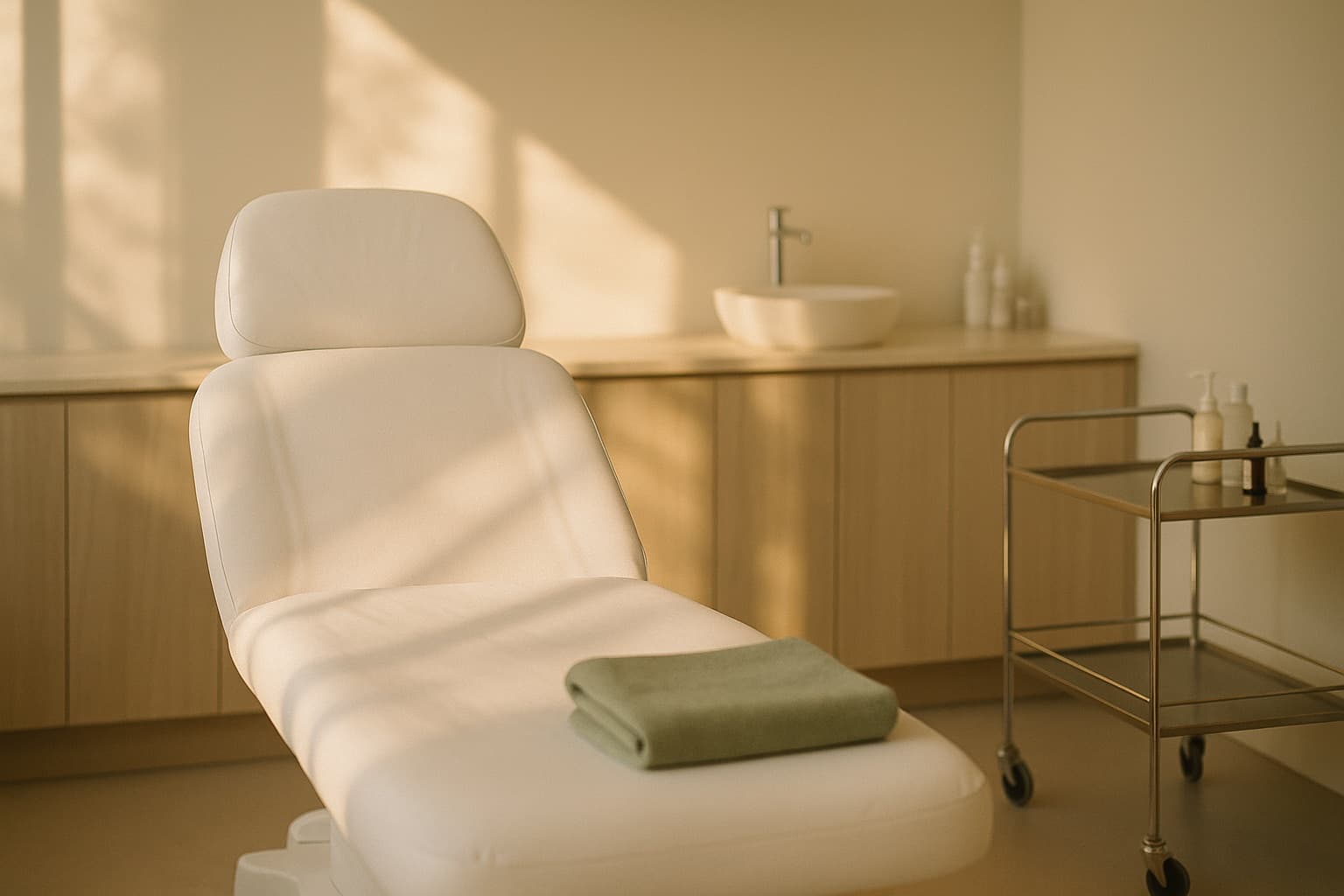
Standardised is the important word. A photograph that flatters is not useful, and neither is one that is unkind. Ours are taken in the same room, against the same background, at the same distance, under the same lighting, from a fixed set of angles, with hair back and makeup removed. We take the face at rest and in animation, because a dynamic line does not exist in a still, relaxed image. We do not change the lighting between visits and we do not retouch. When two images are compared, the only variable should be the face.
Now the part that matters most: what happens to them.
Clinical photographs are part of your medical record. They are stored in the same system as the rest of your file, encrypted, access-controlled, and available only to the staff involved in your care. They are not on personal phones. They are not in a shared folder. They are not on a laptop.
They are never used publicly without separate, specific, written permission. Signing a treatment consent does not give us permission to publish a photograph — that is a distinct form, and it is entirely optional. Declining has no effect whatsoever on your treatment. If you sign it and later change your mind, tell us and we will remove the image; you do not need to give a reason.

Clinic notes5 min read
How to read a before-and-after photograph
Move a light, change a lens, lift a chin, and you can show an improvement in a face that had no treatment at all. The five variables that must not change, and the tells of a dishonest pair.
When you are ready
Ask us in person
Reading is a good start. Forty-five minutes in the room is where we look at your face in good light, ask what you have already tried, and tell you what we actually think.
Or call (416) 834-0730